
Introduction
Generation Z, born between 1997 and 2012, is bringing a fresh perspective to the workplace. With their tech-savviness, environmental consciousness, and desire for personal growth, they are redefining traditional workplace environments. This article delves into how businesses can adapt their workplace strategies to align with Gen Z’s values and preferences.
Section 1: Gen Z’s Workplace Preferences
Gen Z values flexibility, work-life balance, and opportunities for personal growth. They prefer working in innovative industries and are inclined towards entrepreneurial ventures. These preferences are crucial in shaping physical workplace environments and overall workplace strategies.
Section 2: Key Elements of a Gen Z-Friendly Workplace
- Seamless Technology: Embracing high-speed internet, wireless charging, and smart office solutions to support their digital nature.
- Adaptable Furniture: Incorporating modular furniture and adjustable workstations for various work styles and preferences.
- Collaboration Areas: Creating spaces for teamwork and innovation, like huddle rooms and brainstorming areas.
- Environmentally Conscious Design: Using eco-friendly materials and designs that resonate with Gen Z’s environmental values.
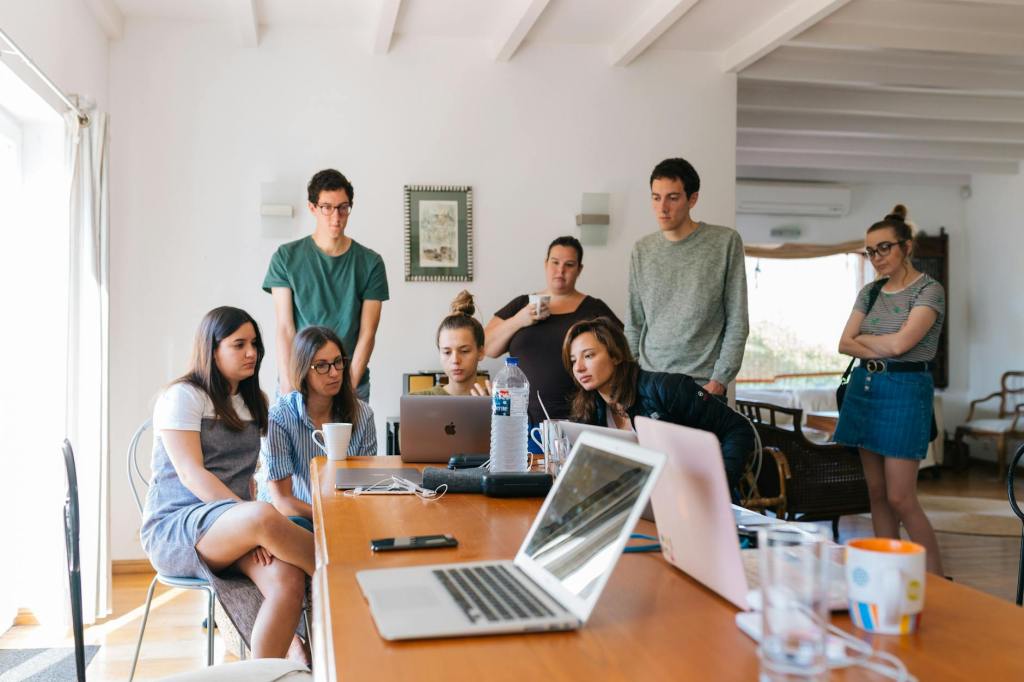
- Wellness and Well-being: Focusing on employee well-being with natural light, comfortable seating, and resources for mental health.
- Inclusive and Diverse Spaces: Ensuring accessibility and inclusivity in design and facilities.
- Opportunities for Growth: Facilitating continuous learning through training rooms, libraries, and workshops.
- Social Spaces: Encouraging work-life balance with communal areas for relaxation and social interaction.
- Humanized Branding: Reflecting company culture in office design for a cohesive and inspiring environment.
Conclusion
To attract and retain Gen Z talent, workplaces must evolve to meet their unique needs. By prioritizing technology integration, flexibility, collaboration, sustainability, well-being, inclusivity, personal development, social interaction, and authentic branding, businesses can create environments that resonate with Gen Z, fostering a more dynamic, productive, and satisfied workforce.
References:
- Work Design Magazine. (2023). Attracting Generation Z With Workplace Strategy. Retrieved from www.workdesign.com
 Oracui